You know what makes a good home, right? As long as it has
a pretty front door and there are flowers planted in front, it's
probably a good one, right? Wrong. While curb appeal is important, there
are other, more serious considerations you should make. Here are 10
things to look for in a good house:
1. Location, location, locationPerhaps
nothing is more important than the three L's. Is it close to your work?
Is it too close to the highway? Is it located in a nice neighborhood?
2. SchoolsEven though you might not have
children, buying a home in a good school district is always smart. If
the schools are good, homes tend to hold their value.
3. Situated on the lotIs it nicely situated on
the lot? Will it get much-desired Southern exposure (e.g., sunshine)?
Can you see your neighbors, or can they see you once inside? Is it too
close to the road?
4. CrimeIt's always a good idea to check
latest crime figures for a neighborhood. It can give you a good
snapshot about the number and severity of crimes over a time period.
5. WalkabilityMany people value the ability to
walk to a store or school or work. Plus, being in a safe, walkable
neighborhood is highly desirable.
6. The neighborhood’s character
You may have found the absolute most perfect home, on the best block,
in the best school district and on a great lot. But there could be
circumstances outside your control that may give you pause —
specifically, the character of the surrounding neighborhood.
Check out the area late at night, early morning and in the middle of
the day. See if there are any odd weather or traffic patterns and try to
observe some of the neighbors. You may even go so far as talking to
some neighbors. It’s important to walk around, open your eyes and ears
and make sure there isn’t anything you’re overlooking. That next-door
neighbor practicing drums in the garage at 9 p.m. could be a source of
immediate neighbor conflict. Go into it with eyes wide open.
7. Don’t buy the best house on the block
Simply put,
avoid buying the best house on the block
because there may not be any room for your investment to grow (unless
you physically have the house moved to a better neighborhood). It’s
better to buy the worst house on the best block, because you can improve
the house to add value to an already great location.
8. Is it a fixer-upper?
If you’re buying a fixer-upper, make sure you understand what you’re
getting into. Did you set out to buy a home that needed work? Or does
the home just happen to be in the most desirable neighborhood, the block
of your dreams?
Do your homework upfront. If you want to build an extension or add
another story to the property, make sure it is within local zoning or
building codes. Have the property inspected so that you know exactly
what you’re getting yourself into. Sometimes, what appears to be a
simple kitchen needing cosmetic work turns out to be a huge project. Ask
yourself repeatedly if your life can support a home renovation. Not
only does a renovation take money, it takes time, energy and emotional
stress.
9. Will the home hold its value?
A good real estate agent who’s been working the neighborhood for some
time can vouch for the long-term value or investment potential of the
property. But be sure to find ways to add value, or at least be certain
the home will hold its value.
The market may be strong when you purchase, but ask yourself, “Am I
in a seller’s market?” “What would happen to this property if the market
changed tomorrow”?
10. Taxes, dues and fees
Many people overlook the monthly fees associated with homeownership.
Nearly every property will have taxes, and any sort of planned community
or
homeowners association (HOA) will have regular assessments.
Be sure that the amount of property tax and assessments are clear
from the get-go. If in doubt, go to city hall or do research online. If
you’d be buying into a condo complex, be sure to get your hands on the
meeting minutes, financials of the HOA and the condo documents. Any
mention of changes coming down the pike? Does the HOA seem well funded?
It could take one quick $10K assessment to immediately affect property
values if you need to turn around and sell your new home. And any
uncertainty about the building, its integrity or the financials could
scare off buyers when it’s time to sell.
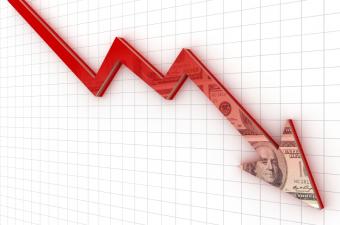
Home prices declined for the
second consecutive month in December, dropping 0.1 percent month over
month, according to the S&P/Case-Shiller 20-City Composite Index.
“The S&P/Case-Shiller Home Price Index ended its best year since
2005,” says David M. Blitzer, chairman of the index committee at S&P
Dow Jones Indices. “However, gains are slowing from
month-to-month and the strongest part of the recovery in home values may be over.”
On an annual basis, home prices were up 13.4 percent year over year.
Source: S&P/Case-Shiller Home Price Indices
- See more at: http://www.inman.com/wire/home-price-gains-slowing/#sthash.wIG5T5ZB.dpuf
Home prices declined for the
second consecutive month in December, dropping 0.1 percent month over
month, according to the S&P/Case-Shiller 20-City Composite Index.
“The S&P/Case-Shiller Home Price Index ended its best year since
2005,” says David M. Blitzer, chairman of the index committee at S&P
Dow Jones Indices. “However, gains are slowing from
month-to-month and the strongest part of the recovery in home values may be over.”
On an annual basis, home prices were up 13.4 percent year over year.
Source: S&P/Case-Shiller Home Price Indices
- See more at: http://www.inman.com/wire/home-price-gains-slowing/#sthash.wIG5T5ZB.dpuf